
In the world of darts, precision and focus are what every player strives for. Whether you’re a seasoned professional or simply enjoying a relaxing time with friends at a bar, your surroundings have a significant impact on your performance. Lighting design is one often overlooked yet crucial factor. This article will delve into how different lighting conditions affect the accuracy of your dart board and explore the relationship between light and throw from the perspective of the psychology of light and shadow. From light intensity to color temperature, each element has a unique impact on your performance.
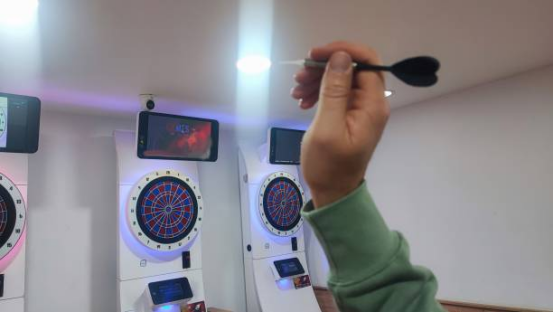
The Importance of Lighting in Darts
In improving Dart Board accuracy, many players focus on throwing form, grip technique, and throwing style. However, environmental factors are equally important. In fact, lighting design can either enhance or diminish your throwing accuracy. Whether in a dimly lit bar or under bright lights, how your eyes adapt to the light directly impacts your performance.
Lighting design is more than just providing illumination; it affects your depth perception, concentration, and even your mood. The psychology of light and shadow plays a subtle but powerful role, influencing not only how you perceive the Dart Board but also your mindset when throwing. Let’s explore the specific impact of lighting design on Dart Board accuracy.
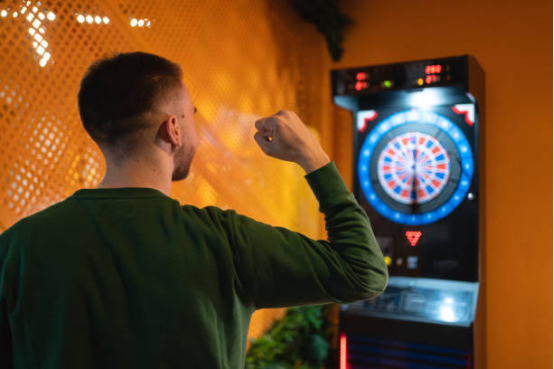
How lighting affects focus and depth perception
In dart throwing, a crucial factor is depth perception—your ability to judge the distance to the dart board. Lighting directly affects how you perceive this distance. Excessively bright direct light can create significant contrast, making it difficult for your eyes to focus on the dart board. Insufficient light, on the other hand, can blur the edges of the dart board, leading to misjudgments.
When setting up a Dart Board, it is recommended to use soft, even lighting to illuminate the entire surface. Avoid placing lights directly overhead or creating long shadows, as this can impair your vision. Ideally, the lighting should evenly illuminate the Dart Board while avoiding unwanted glare and shadows, allowing you to clearly see each section.
Regarding the color temperature of the light, warmer light (around 2700K) generally makes people feel more relaxed and is less likely to cause eye fatigue. Cooler light (5000K or higher) can improve alertness but may also increase the risk of glare, thus affecting the clarity of the Dart Board.
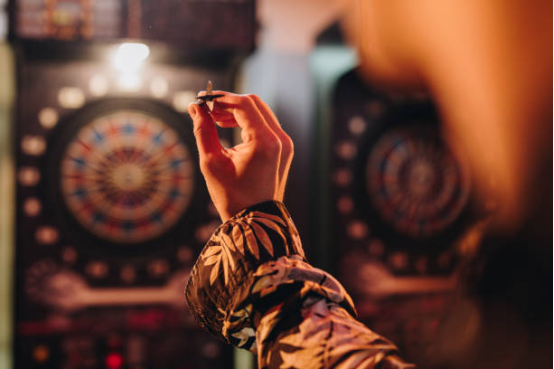
The effect of shadow and contrast
Lighting isn’t just about illumination—it’s also about contrast. In darts, shadows can either help you aim or cause confusion. When a dartboard is placed under strong, direct light, it often casts long shadows on the board, distorting the clarity of the board’s sections and affecting your judgment.
In addition, the contrast between the dartboard and its surroundings is also crucial. When the contrast is low, the dartboard tends to blend into the background, which can affect concentration. High contrast, on the other hand, clearly distinguishes the dartboard from the background, helping players to better locate their target.
Ideal lighting design should minimize unnecessary shadows, especially in sections of the dartboard. At the same time, it should provide adequate contrast to help your eye better track the dart’s trajectory. Overall, the lighting needs to make the dartboard appear clearer and easier to aim at, without being distracted by extraneous light and shadow.
The psychological impact of lighting on dart players
Beyond the impact of lighting on eyesight, its psychological effects are equally significant. Lighting not only influences your visual experience but also your mood, concentration, and energy levels. Strong light can induce tension, while soft light helps maintain relaxation and focus.
While the psychological effects of light are not easily noticeable, they can significantly impact your mindset during a game. For example, research shows that exposure to bright light can stimulate the release of serotonin, a neurotransmitter that helps boost mood and alertness. Conversely, dim lighting creates a more relaxed, low-energy atmosphere, which may be more suitable for casual games.
If you’re preparing for a competitive game, it’s recommended to choose lighting that promotes alertness and focus. You can use cooler, brighter lights to boost energy, but be careful to avoid excessive glare or shadows. In a relaxed gaming atmosphere, warmer lighting helps create a comfortable environment without affecting the visibility of the Dart Board.
Best lighting recommendations to improve Dart Board accuracy
So, how can you optimize your lighting settings to improve Dart Board performance? Here are some practical tips to help you create the perfect darts game environment:
- Evenly diffused lighting: Use soft, even lighting and avoid harsh shadows. LED strip lights or pendant lights are excellent choices for illuminating the Dart Board.
- Avoid overhead lights: Overhead lights can easily cast unwanted shadows on the Dart Board. Instead, use side lights or wall-mounted fixtures to evenly illuminate the Dart Board from different angles.
- Adjustable brightness lighting: Choose an adjustable brightness lighting system to adjust the light intensity as needed and find the most suitable setting.
- Choose the right color temperature: If possible, choose lighting with adjustable color temperature. Cool light (around 5000K) is good for improving concentration, while warm light (around 2700K) is more relaxing and suitable for casual gaming.
- Consider the overall ambient lighting: In addition to the dartboard’s lighting, the surrounding ambient light also needs to be balanced. Avoid setting the ambient light too bright or too dim to make the Dart Board more identifiable in terms of contrast.
in conclusion,
In darts, every throw is crucial, so we cannot ignore the influence of environmental factors. Lighting design plays a vital role in helping players maintain accurate throws, enhancing focus, depth perception, and mental state. By understanding the psychology of light and shadow, we can create a game space that fosters success.
Whether you’re a casual player or a serious competitive athlete, optimizing the lighting design of your Dart Board is a simple and effective way to improve accuracy. Remember, perfect lighting isn’t just about seeing the Dart Board clearly; it also creates an atmosphere conducive to a successful throw.
If you’d like to learn more about improving your darts skills or for other accessory recommendations, please check out our other articles on Dart Board setup and performance optimization.