
In a home entertainment corner or a corner of the living room, a wooden dart board sits quietly on the wall, its wood grain gleaming in soft light. The crisp “dong” sound of a dart hitting the board imbues the space with a sense of concentration and a relaxed competitive atmosphere. Even as electronic dart boards gain popularity, the traditional wooden dart board’s feel and classic design continue to captivate nostalgic players and those seeking precision.
A wooden dart board is more than just a gaming tool; it’s a timeless classic. Whether at a family gathering, a small competition with friends, or even solo practice, every throw brings the resilience and precision of a traditional dart board. This article will provide a comprehensive analysis of wooden dart boards from four perspectives: material properties, gameplay, installation and casting optimization, and a purchasing guide, making home entertainment more fun and professional.
The material and structure of wooden dart board
Traditional wooden dart boards are often made from high-density woods like cedar, cypress, or spruce. The wood’s toughness and density determine the resistance and rebound effect of the dart upon impact. High-density wood effectively absorbs impact while maintaining the board’s durability. Compared to electronic dart boards, the authentic feel and sound of wooden boards make every throw more rewarding.
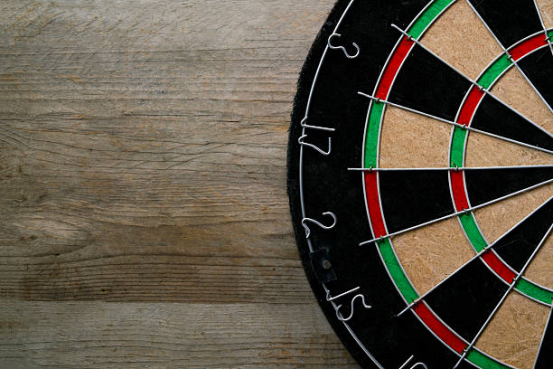
The board layout follows standard tournament rules: 20 scoring areas with a bull’s-eye center, with metal dividers ensuring each area is clearly identifiable. High-quality wooden dart boards feature strong, smooth metal dividers, minimizing dart bounce and improving hit rates. Lower-quality boards can easily wear out or cause excessive dart bounce, compromising the gaming experience.
Player feedback: Many players believe that the feel and hitting feedback of a wooden dartboard are more “immersive” than an electronic board; especially when hitting a heart or a high zone, the realistic resistance and sound make people feel more accomplished.
How to play with a wooden dart board
The appeal of a wooden dart board lies not only in its material but also in the gameplay itself. Compared to soft-tip or electronic dart boards, wooden boards are often used with hard-tip darts, requiring higher throwing skill and precision. The resistance and subtle rebound of each dart hitting the board allow players to adjust their power and angle through feel, which is why many professional tournaments continue to use wooden dart boards.
The visual experience is equally unique. With age, the board’s color gradually settles, and the metal dividers acquire a vintage patina. Slight wear marks on the board’s surface record every throw, transforming the dart board into more than just a gaming tool; it becomes a decorative piece steeped in history, adding warmth and nostalgia to any home entertainment area.
Tips: When using the dart board at home, you can install wall panels or cushions behind the board to protect the wall while retaining the authentic feel of the wooden dart board.
Optimized installation and throwing experience
When installing a wooden dart board in your home, it’s important to consider not only the board’s secure surface but also the throwing experience and space safety. Ideally, choose an open, well-lit area to ensure your throwing doesn’t affect furniture or other people and to ensure a natural and comfortable throwing angle.
The distance of home throwing can be adjusted flexibly to ensure a challenging experience while avoiding darts that are too far away and thus deviate. It is recommended to mark a throwing line area in front of the board with tape or carpet to help players develop standard throwing habits while reducing the risk of slipping on the ground.
When attaching the board, be sure to use a sturdy bracket or screws, and ensure the wall is load-bearing. To extend the lifespan, install wall pads or cushions around the board to protect the wall and minimize damage from occasional stray darts.
The indoor environment is also crucial to the feel of a wooden dart board. Avoid high humidity and direct sunlight to maintain the board’s toughness and stability. Pay attention to your wrist movement and posture when throwing, ensuring the dart enters the board at an even angle. This not only improves accuracy but also reduces wear and tear on the board, extending its lifespan.
How to choose a suitable wooden dart board
When purchasing a wooden dart board, the following factors should not be ignored:
- Wood Quality
High-density cedar or cypress provides excellent absorption and durability, while low-density boards may cause darts to bounce too hard or the board to wear out faster. - surface
and strong metal dividing lines can reduce the rebound of darts and improve the hit rate. - Standard size:
This wooden home dart board is approximately 18 inches (45.7 cm) in diameter, making it a standard competition size for practice and social entertainment. - The accessories are matched
with hard-tipped darts, stable hangers, and wall panels to ensure safety while retaining the traditional feel.
Expert advice: If you’re looking for a nostalgic feel and precise throws, choose a high-quality wooden dart board with hard-tipped darts to get the closest experience to a classic game.
The unique charm of wooden dart board
A wooden dart board is not only a nostalgic choice but also a continuation of traditional dart culture. Its toughness, striking feel, visual depth, and audible feedback make it irreplaceable to electronic boards. In a home entertainment area or leisure space, it not only provides a precise throwing experience but also becomes a decorative element, creating a warm and nostalgic atmosphere.
Proper installation, matching darts, and protective measures make wooden dart boards safe and durable for use in the home. Whether practicing alone or competing with family and friends, this traditional dart board provides unique fun.
In an era where modern electronic dart boards are becoming increasingly popular, would you choose the nostalgic feel of a classic wooden dart board, or the convenience and interactivity of an electronic one? Perhaps the choice between nostalgia and innovation is part of the allure of darts.