
The tranquility of nighttime is often the best time to practice throwing techniques, but the clanging of metal darts from traditional dart boards can disturb family or neighbors. Quiet dart boards offer the perfect solution for nighttime practice, maintaining a precise throwing experience while significantly reducing noise. However, a quiet board alone isn’t enough; to make the most of the night, you also need to master low-noise throwing techniques and arrange your practice space appropriately.
Understand the characteristics of a silent Dart Board
To practice smoothly at night, you first need to understand what makes a dart board “quiet.” Unlike traditional sisal or brush boards, quiet dart boards are typically made of polymers or microplastics, which absorb the impact of darts, reducing bounce and noise while maintaining a consistent feel.
In addition, the material of the darts also affects the noise level. Soft-pointed darts are standard on silent boards, which reduce noise but also slightly alter the dart’s trajectory. When practicing at night, it’s necessary to adapt to this change to maintain accuracy. Data shows that the combination of soft-pointed darts and a silent board can reduce dart bounce by about 70%, which is especially crucial for continuous practice.
The way the board is installed is equally important. Even with a soundproof board, vibrations can be transmitted through walls or the floor if it is not securely fixed. Using wall anchors or a dedicated dart cabinet can further reduce noise while providing a safe background for nighttime practice.
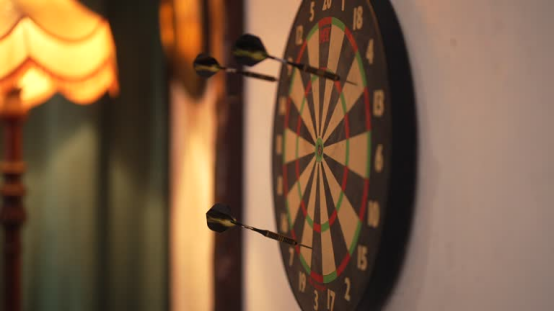
Nighttime low-noise throwing techniques
Having a soundproof board is only the first step; nighttime practice also requires mastering some low-noise throwing strategies:
1. Control your wrist movement: A sudden wrist movement will produce a loud impact sound. Releasing the dart with smooth, fluid arm and wrist movements reduces noise and helps with accuracy.
2. Adjust the dart angle: Slightly changing the angle at which the dart hits the board can reduce the bouncing noise. A vertical throw angle not only reduces noise but also improves accuracy.
3. Set up a buffer zone: Placing soft padding, cork, or foam board behind or around the dart board can absorb the impact sound when the dart misses its target and reduce room echo.
4. Interval practice: Throwing at night should not be done continuously for too long. It is recommended to practice for 15-20 minutes each time, which can improve concentration and will not disturb the rest of the family members.
Experienced players often combine breathing rhythm with throwing motions to create a “silent rhythm,” which not only practices physical movements but also trains mental focus, making nighttime practice more efficient.
Nighttime practice space setup
Even the quietest dartboard won’t be fully effective if the practice space isn’t properly arranged. Nighttime practice needs to balance safety, comfort, and low noise:
Space planning: Place the dart board on a wall away from bedrooms or public areas to ensure throwing safety. The standard throwing distance is 7 feet 9.25 inches (approximately 2.37 meters), and the soft spikes allow for slight adjustments in small spaces without affecting the experience.
Acoustic optimization: Carpeting or hanging curtains in the practice area can further reduce sound. Installing foam boards or soft back panels around the soundboard can absorb rebound noise. Bookshelves or upholstered furniture can also provide natural sound insulation.
Lighting Selection: Avoid using glaring overhead lights for nighttime practice. LED spotlights or adjustable desk lamps provide a clear view while maintaining a soft atmosphere. Some players use motion-sensor lights to further reduce nighttime distractions.
Storage and Convenience: Darts should be placed on an easily accessible shelf to avoid the noise of searching for darts during each practice session. A compact, dedicated practice station reduces movement and unnecessary noise.

Maintenance of Silent Dart Board
Silent dart boards require regular maintenance to ensure effective nighttime practice. Check for wear on the board surface and maintain its elasticity. Soft-point darts should also be checked for bending, as this can affect accuracy and generate additional noise.
When cleaning the panel, simply wipe it with a slightly damp cloth. Avoid using abrasive cleaners, as these may damage the noise reduction performance. For storage, use a dust cover or storage cabinet to prevent accidental collisions or dust accumulation.
Proper maintenance not only extends the lifespan of the board but also ensures uninterrupted nighttime practice and a peaceful home environment. Experienced players say that a well-maintained, quiet dart board not only results in more consistent scoring but also makes practice more enjoyable.
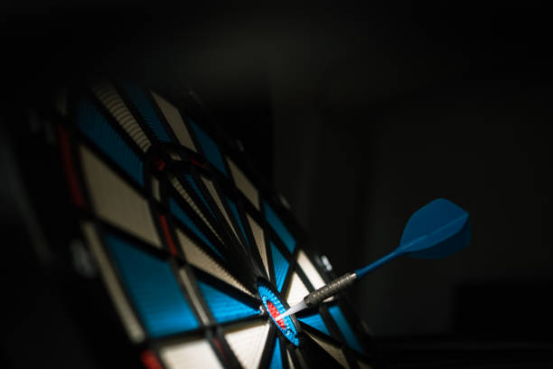
Player Insights
Quiet dart boards are becoming increasingly popular in apartments or shared living environments. Modern players place greater emphasis on “quiet + precision” during nighttime practice, and community forums are sharing many low-noise throwing techniques and experiences on setting up family-friendly spaces.
Another advantage of practicing at night is improved focus. The quiet environment helps players improve muscle memory and hand-eye coordination, and many players have found that short training sessions at night are even more effective than daytime practice.
If you’d like to explore nighttime practice strategies or optimize your space layout, you can browse our website for related guides to learn more about quiet dart board setup tips and low-noise training methods.
Nighttime dart board practice doesn’t have to be a compromise between skill improvement and family peace and quiet. By understanding the characteristics of a dart board, mastering low-noise throwing techniques, setting up a practice space properly, and maintaining it, you can practice effectively on quiet nights, allowing family members to sleep peacefully.
Whether it’s improving accuracy, trying new pitching techniques, or enjoying a relaxing evening, these strategies can make your nighttime practice both comfortable and effective. Explore the potential of the quiet dart board and turn every night into a high-quality training session—improving skills and sharing tranquility.
Get more Dartboard setup and practice tips to make your practice smoother and more professional.