
The Dart board is more than just a game surface; it’s a sophisticated system that blends design, physics, and psychology. When you gaze at a standard Dart board , you see a carefully constructed layout of numbers, colors, and zones, all designed to balance skill, luck, and strategy. The arrangement of high-scoring zones, in particular, is not random. The strategic layout behind them is deeply rooted in probability, game theory, and a profound understanding of human behavior. In this article, we’ll delve into the design of the Dart board , analyzing how elements such as the layout of scoring zones, board structure, and probability distribution enhance the challenge and enjoyment of the game.
The Science Behind Scoring
At first glance, the dart board may seem like a simple objective consisting of numbers and zones. However, its layout is designed to introduce complexity, challenging players’ skills and decision-making abilities. High-scoring zones, in particular, such as the bullseye, triple, and double zones, are arranged according to a deliberate strategy derived from probability theory.
The bullseye is undoubtedly the most iconic part of the dartboard, but it’s also the most difficult target to hit. This is no accident. The central circle of the bullseye is divided into two parts—a 50-point inner bullseye and a 25-point outer bullseye—a design that encourages players to practice accuracy and consistency. The difficulty of hitting these areas ensures that accuracy is one of the fundamental skills in competitive play.
So, what about the high-scoring triple and double zones? The triple 20 zone, located on the right side of the dart board , is a favorite among experienced players. It scores 60 points and requires precision rather than perfection. By placing high-scoring zones in more difficult-to-reach locations, the dart board ensures that scoring isn’t solely based on luck. It rewards thoughtful risk-taking, keen focus, and an understanding of probability.

The Influence of Probability Distribution on Policy
Understanding the layout of the dart board involves more than just knowing the score value of each area—it’s about recognizing how probability influences a player’s game strategy. While players may be tempted to aim for high-scoring areas, the way the numbers are distributed on the board forces them to make strategic decisions during the game.
The dart board are not arranged sequentially, which increases the game’s difficulty. For example, after 20, you’ll see 1. This seemingly chaotic layout actually reflects a deliberate decision: should players always aim for high-value areas like 20 and 19? Or should they adopt a more cautious strategy, focusing on areas that are easier to hit, reducing the risk of missing targets?
on dart scoring zones shows that players typically develop throwing patterns based on their familiarity with the layout and the probability of hitting specific areas. The arrangement of numbers forces players to find a balance between conservative and aggressive play, ranging from a conservative approach of aiming for areas closer to the center to ensure consistent scores, to an aggressive strategy of taking risks to secure high-scoring areas. In this way, the design of the dart board forces players to find a balance between accuracy and strategy, which is one of the key elements of high-level competition.
Board layout design: Balancing skill and luck
When you gaze at a dart board , you might notice its design balance. Its structure both rewards skill and presents a challenge, fostering technical advancement while maintaining the excitement of the game. A key factor in its layout design is its consideration of human error and skill progression.
Take the layout of the number 20 as an example. Located at the edge of the board, it requires exceptional hand-eye coordination to hit accurately. At the same time, the dart board is designed to allow players to sometimes deviate from the target. Therefore, a missed throw doesn’t lead to disastrous consequences. Instead, the board layout allows players to recover from errors and create scoring opportunities through other nearby areas.
Interestingly, the dart board ‘s design also influences a player’s focus and sense of rhythm during the game. By placing the most challenging areas at the edges, the dart board encourages players to maintain high concentration while throwing, demanding sustained attention. This layout isn’t just about accuracy; it’s also a psychological tool that forces players to stay focused, promoting overall game fluidity.

High-scoring regions and cognitive strategies
On the dart board , the high-scoring areas—especially the triple rings—are designed not only for accuracy but also to tap into the cognitive strategies players develop over long periods of play. The layout of the dart board can be seen as a psychological puzzle, requiring players to calculate risks, manage resources (in this case, the number of darts), and decide how to act in each round.
In competitive darts, players typically choose different scoring strategies based on their confidence and experience. For example, an experienced player might focus on hitting high-value areas, such as the triple 20 zone, to maximize their score, while another player might adopt a more conservative strategy, aiming for the 15 zone, which is safer but results in a lower score. Understanding the cognitive decision-making process involved in this is key to comprehending the psychological impact of dartboard placement.
Dart scoring zones encourage players to think about every move, because each throw could bring them closer to victory or cost them the game. This decision-making process is part of the dart board’s design, prompting players to constantly adjust their strategies based on the game’s progress.
Design Evolution: The Modern Dartboard and Strategic Advantage
As the sport of darts has evolved, so too has the design of dartboards . Modern electronic dartboards, in particular, utilize advanced technology to track throws, display scores, and even analyze player performance. While these technological advancements have brought more possibilities to the game, the layout and strategies of classic dartboards remain unchanged.
One of the key advantages of modern dartboards is their ability to provide real-time feedback, helping players improve their skills and understand the importance of strategic thinking. The integrated feedback system allows players to adjust their strategies promptly based on the game’s progress, thus enhancing the game’s depth.
Furthermore, the updated dart board layout allows players to explore different game modes, each with a slightly different scoring structure, further enhancing the strategic thinking required. For example, some games require players to hit specific areas within a set number of rounds, testing their accuracy and adaptability. These evolving designs continue to emphasize the importance of understanding the board layout and scoring zones.
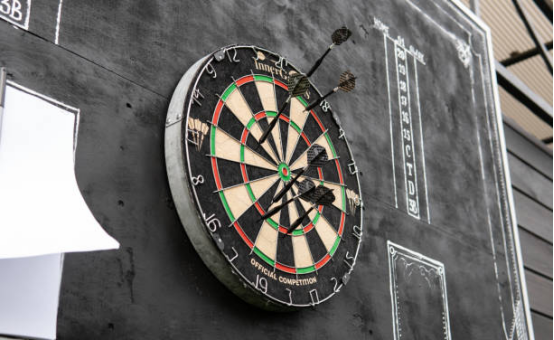
Hidden Wisdom in Dartboard Design
Dartboard is more than just a simple game surface. From the arrangement of the score zones to the layout of the numbers, every design element has been meticulously conceived to challenge players’ skills, strategies, and mental acuity. The strategic arrangement of high-score zones drives players to engage in calculated adventures, while the overall layout encourages a balance of precision, focus, and decision-making.
Whether you’re a casual player or a competitive darts enthusiast, understanding the layout and strategic elements of the dart board can significantly improve your game performance. By recognizing the design wisdom behind each area, players can develop better strategies, increase focus, and consistently strive for higher scores.
For players who want to delve deeper into dart board layouts and strategies to improve their game, please visit our website. We offer a variety of resources and guides to help you become a more strategic and focused darts player.