A professional player’s training routine revealed the focus philosophy behind Dart Board

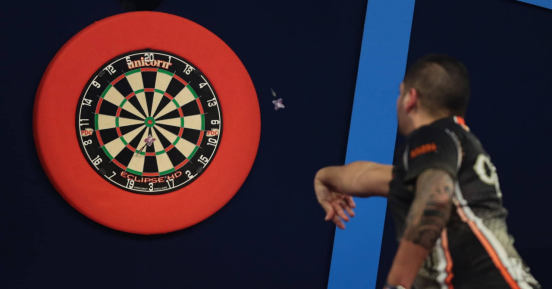
As the spotlight focuses on the arena, a dart board hangs silently on the wall, as if reviewing the trajectory of each throw. In the world of professional athletes, the dartboard is not merely a tool for competition but also an embodiment of a philosophy of focus. Every throw involves muscle memory, visual judgment, and mental control; this precise balance is the core of professional training.
Material selection and stability analysis
The material of a dart board directly impacts competition performance and training efficiency. Traditional wool boards are known for their self-healing properties, quickly recovering even after repeated hits to the same area, providing professional athletes with a consistent and stable training environment. In contrast, wooden boards offer stronger impact feedback but are less durable, potentially developing cracks or dents over time. Composite boards strike a balance between weight and durability, suitable for the portability and multi-functional space requirements of modern training rooms.
In professional training, stability is a core consideration. Even slight wobbling or loosening of the board can directly affect throwing accuracy. Therefore, using high-density wool or specially reinforced composite material dart boards can minimize environmental errors and provide athletes with repeatable and quantifiable training data. This material strategy not only optimizes training results but also gives athletes a sense of security and confidence.

Weight design and operational flexibility
Besides the material, the weight distribution of the dart board directly affects training quality. An overly heavy board may damage the wall during installation and is less flexible when adjusting the angle or position; an overly light board is easily affected by airflow or unstable supports. Professional athletes often use medium-weight boards in training to ensure a stable throwing feel and allow for adjustments to the board height and angle to simulate various competition conditions.
In training, matching the sense of weight with hand muscle memory is particularly crucial. Athletes need to develop memory for throwing trajectory and force control through continuous practice, and the weight stability of the dart board directly affects this process. A well-designed weight not only optimizes the fluidity of movements but also improves training efficiency, laying the foundation for the high-pressure environment of competition.
Durability and routine maintenance strategies
Professional training requires frequent throwing, which places stringent demands on the durability of dart boards. Wool boards, with their self-healing properties, allow dents to naturally recover after each throw, reducing replacement frequency. Composite boards, on the other hand, extend their lifespan through surface reinforcement and modular design, making them suitable for long-term, intensive training. While wooden boards offer a superior visual appeal, they require regular checks for cracks and moisture protection; otherwise, prolonged high-intensity use can negatively impact the training experience.
In routine maintenance, keeping the board surface dry, avoiding direct sunlight, and regularly rotating the board are basic strategies for extending the lifespan of a dart board. At the same time, regularly checking the stability of the mounting system and stands also helps maintain a safe and consistent training environment. The maintenance habits developed by professional athletes through long-term training actually reflect the high level of consideration given to user experience in the design of dart boards.
Focus on philosophy and training psychology
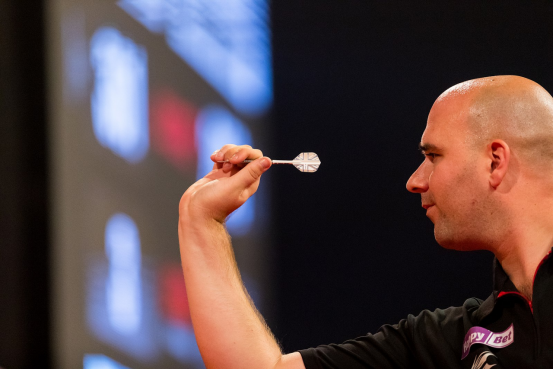
The philosophy behind dartboards is not only reflected in their physical properties but also incorporated into training psychology. Professional athletes engage in multi-dimensional adjustments of visual focus, breathing control, and mental imagery before each throw. The stable, moderately weighted, and durable dartboards provide athletes with a controlled training environment, allowing them to concentrate their mental energy on execution and strategy adjustments rather than on environmental variables.
Training is more than just repetitive movements; it’s a honing of precision and patience. Professional athletes adjust their practice intensity and throwing rhythm based on the material and feel of the dart board, gradually establishing an efficient feedback loop. Through this continuous training, the dartboard evolves from a mere competitive tool into an extension of professional mental training, achieving a high degree of integration of movement, mindset, and focus.
Conclusion and Further Exploration
For professional athletes, dart board training is not just a contest of technique and strength but also a philosophical practice of focus, patience, and mental control. Every detail—material, weight, durability—closely impacts training efficiency and mental state. Understanding the logic behind these factors helps enthusiasts appreciate the value of dart board training more deeply.